

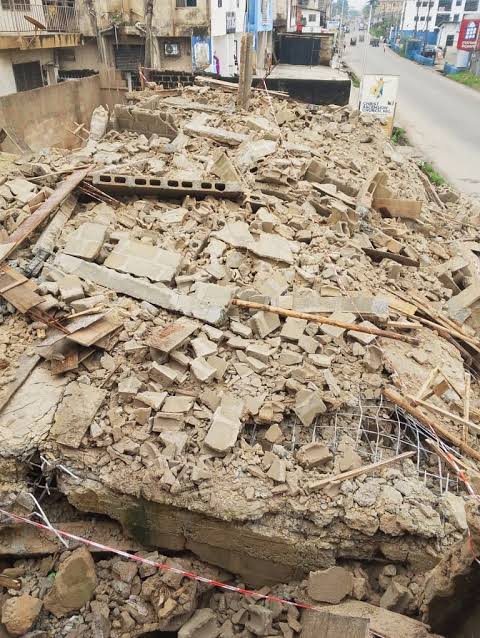
Every rainy season in Nigeria brings renewed concerns about flooding, erosion and, increasingly, the collapse of poorly constructed buildings. While heavy rainfall often receives the blame, engineering experts agree that rain is rarely the root cause. Instead, it exposes structural weaknesses that may have existed long before the first storm arrived.
Across Nigeria, these incidents continue to underscore a simple but critical lesson: quality construction saves lives.
At IBEC, we believe that every project should be built to withstand both today’s demands and tomorrow’s environmental challenges. That commitment begins long before construction starts and continues until every project is safely delivered.
When Rain Exposes Structural Weaknesses
Over the years, several building collapses have demonstrated how poor planning, inadequate supervision and weak structural systems become increasingly dangerous during periods of persistent rainfall.
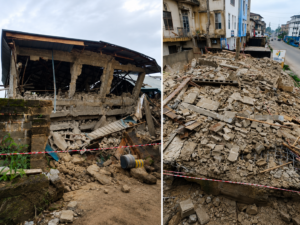
In July 2025, an uncompleted three-storey building collapsed within the Low-Cost Housing Estate in Umuahia, Abia State. Although fatalities were avoided, residents sustained injuries, and the Abia State Government immediately sealed the site while ordering structural integrity assessments on neighbouring buildings. The incident also prompted renewed calls for stricter compliance with construction regulations. (Source: The Guardian Nigeria)
Earlier, in June 2022, another three-storey structure partially collapsed in Ahiaeke, Umuahia North Local Government Area, following heavy rainfall. Reports linked the incident to prolonged exposure to adverse weather conditions and possible deficiencies in construction quality. (Source: Punch Newspapers)
A more devastating incident occurred in Aba in 2019, where two separate three-storey buildings collapsed after sustained rainfall. Investigations suggested that weakened foundations, water infiltration and poor construction practices significantly contributed to the failures. The tragedy resulted in casualties and extensive property loss. (Source: The Guardian Nigeria)
The challenge is by no means unique to Abia State.
In Lagos, numerous building collapses over the years—including the collapse of a two-storey building in Mushin during the rainy season—have demonstrated how ageing structures, inadequate maintenance and non-compliance with approved engineering standards continue to threaten public safety. (Source: National Emergency Management Agency)
Collectively, these incidents reinforce an important reality:
Rainfall does not usually cause buildings to collapse—it reveals buildings that were already vulnerable.
The Real Causes Behind Building Failures
Modern buildings are expected to withstand seasonal weather variations. When they fail during periods of intense rainfall, investigations frequently identify underlying factors such as:
- Poor foundation design
- Absence of geotechnical investigations before construction
- Weak or poorly compacted soil
- Inadequate drainage systems
- Use of substandard construction materials
- Poor workmanship
- Structural modifications without professional approval
- Lack of regular maintenance
- Failure to comply with approved building standards
Water simply accelerates existing weaknesses. As soil becomes saturated, poorly designed foundations begin to settle unevenly, structural cracks widen, reinforcement begins to corrode and buildings gradually lose their stability.
Recognizing these risks, several state governments—including Abia State—have strengthened approval processes by introducing mandatory soil testing and stricter structural integrity assessments for new developments. These measures are designed to reduce avoidable failures and improve public safety.
Quality Construction Begins Long Before Concrete Is Poured
One of the most common misconceptions is that stronger buildings simply require more concrete or additional reinforcement.
In reality, safe construction depends on a carefully coordinated process involving:
- Proper planning and feasibility studies
- Professional architectural design
- Structural engineering calculations
- Geotechnical investigations
- Quality material selection
- Competent project supervision
- Environmental considerations
- Regulatory compliance
- Continuous quality assurance
Each stage contributes to the long-term safety, durability and performance of a structure.
This philosophy lies at the heart of every project undertaken by IBEC, where engineering excellence, innovation, and professionalism guide every decision from concept to completion.
How IBEC Delivers Infrastructure Built to Last
At IBEC, quality construction is more than delivering completed projects—it is about creating infrastructure that remains safe, functional and resilient for generations. Every project is approached with a long-term perspective, recognising that buildings and civil infrastructure must withstand environmental pressures, changing climate conditions and increasing urban demands.
Our project delivery philosophy combines engineering excellence, strict regulatory compliance, modern technology and a strong safety culture to ensure that every structure performs exactly as intended throughout its design life.
Engineering Excellence Starts Before Construction
The success of any construction project is determined long before excavation begins. Thorough planning and technical evaluation significantly reduce construction risks while improving project quality and cost efficiency.
For every project, IBEC places strong emphasis on:
- Comprehensive feasibility studies
- Detailed engineering investigations
- Site reconnaissance and assessments
- Geotechnical and soil investigations where required
- Hydrological and drainage analysis
- Environmental considerations
- Risk identification and mitigation planning
These assessments allow our professionals to develop engineering solutions that suit the specific characteristics of each project location.
Rather than applying generic solutions, every project is designed according to its unique environmental and structural requirements.
The Right Professionals Deliver the Right Results
Modern construction demands collaboration among highly skilled professionals from multiple disciplines.
IBEC assembles experienced teams comprising:
- Registered Architects
- Civil Engineers
- Structural Engineers
- Mechanical Engineers
- Electrical Engineers
- Builders
- Quantity Surveyors
- Project Managers
- Environmental Specialists
- Health, Safety and Environment (HSE) Professionals
Each professional contributes specialised expertise throughout planning, design, execution, supervision and project delivery.
This multidisciplinary approach improves quality, enhances efficiency and significantly reduces construction risks.
Compliance Is a Foundation of Every Project
Engineering standards exist to protect lives, investments and public infrastructure.
IBEC executes projects in accordance with applicable regulations and recognised professional standards, including:
- National Building Code of Nigeria
- Council for the Regulation of Engineering in Nigeria (COREN) standards
- Architects Registration Council of Nigeria (ARCON) guidelines
- Council of Registered Builders of Nigeria (CORBON) requirements
- Quantity Surveyors Registration Board of Nigeria (QSRBN) standards
- Federal and State environmental regulations
- Occupational Health, Safety and Environment (HSE) requirements
Compliance is not viewed as a regulatory obligation alone—it is an essential component of delivering durable, safe and sustainable infrastructure.
Safety Is Embedded in Every Project
Construction sites present numerous hazards that require proactive management.
IBEC maintains a robust Health, Safety and Environment (HSE) management system designed to protect workers, clients, visitors and surrounding communities throughout every phase of construction.
Our HSE practices include:
- Detailed project risk assessments
- Site-specific safety plans
- Daily toolbox meetings
- Mandatory Personal Protective Equipment (PPE)
- Equipment inspection and preventive maintenance
- Safe lifting procedures
- Working-at-height protection systems
- Emergency response planning
- Fire prevention measures
- Environmental protection and waste management
- Continuous HSE monitoring and reporting
Safety is continuously reinforced through training, supervision and a culture that empowers every team member to identify and report potential hazards before they become incidents.
Quality Assurance Throughout the Project Lifecycle
At IBEC, quality is not left until project completion—it is monitored continuously from mobilisation to handover.
Our quality assurance process includes:
- Verification of construction materials
- Inspection of reinforcement placement
- Concrete quality monitoring
- Structural inspections at key milestones
- Dimensional accuracy checks
- Compliance inspections
- Documentation and quality reporting
- Prompt correction of identified defects
Continuous quality control ensures projects meet engineering specifications, client expectations and regulatory requirements.
Designing Infrastructure for a Changing Climate
Climate change has increased the frequency of heavy rainfall, flooding and erosion across many parts of Nigeria.
IBEC responds by incorporating climate-resilient engineering solutions into project planning and design.
Depending on project requirements, these measures may include:
- Advanced stormwater management systems
- Improved drainage infrastructure
- Flood mitigation measures
- Erosion protection works
- Durable pavement systems
- Waterproofing technologies
- Foundation protection strategies
- Sustainable construction materials
- Environmentally responsible construction practices
These interventions improve infrastructure resilience while reducing long-term maintenance costs.
What Property Owners and Developers Should Prioritise
Many structural failures can be prevented through responsible project planning and maintenance.
IBEC encourages property owners, developers and investors to:
- Engage qualified professionals from project conception.
- Conduct proper soil investigations before construction.
- Obtain all statutory planning and building approvals.
- Never compromise on construction materials.
- Ensure continuous professional supervision during construction.
- Maintain effective drainage systems around buildings.
- Inspect structures periodically, particularly during the rainy season.
- Address cracks, water seepage and foundation movement immediately.
- Avoid unauthorised structural alterations.
Preventive action remains significantly less expensive—and far safer—than repairing or rebuilding a failed structure.
Building Infrastructure That Serves Generations
The recurring reports of building collapses across Nigeria reinforce the importance of engineering discipline, professional competence and regulatory compliance.
At IBEC, every project represents an opportunity to contribute to safer communities, stronger infrastructure and sustainable national development.
Our commitment extends beyond completing projects on time and within budget. We are dedicated to delivering infrastructure that protects lives, supports economic growth and remains resilient in the face of evolving environmental and engineering challenges.
As Nigeria continues to urbanise and modernise, IBEC remains committed to providing innovative engineering solutions built on professionalism, integrity, safety and quality—creating infrastructure that stands the test of time.
References
- The Guardian Nigeria: Abia Government probes three-storey building collapse in Umuahia
https://guardian.ng/news/nigeria/metro/abia-govt-probes-three-storey-building-collapse-in-umuahia/ - Punch Newspapers: Three-storey building collapses in Abia
https://punchng.com/three-storey-building-collapses-in-abia/ - The Guardian Nigeria: One dead in Aba twin building collapse
https://guardian.ng/news/one-dead-another-trapped-in-abia-twin-building-collapse/ - National Emergency Management Agency (NEMA): Building collapse incident in Mushin, Lagos
https://nema.gov.ng/building-collapse-at-mushin-lagos-state/ - Federal Ministry of Information and National Orientation: Abia introduces mandatory soil testing for new developments
https://fmino.gov.ng/abia-cracks-down-on-unsafe-buildings-orders-mandatory-soil-tests-as-otti-moves-to-rebuild-markets-roads-and-urban-infrastructure/